

2027 Chevy Bolt EV Preview

After a three-year absence, the Chevrolet Bolt is back for the 2027 model year. Chevy hasn’t thrown out the blueprint entirely — the second generation still rides on the same basic bones that first arrived in 2017 — but what’s under the skin has been overhauled. Find out more in this overview of the 2027 Chevrolet Bolt EV below!
Key Takeaways

- New LFP batteries will push range to at least 300 miles, a jump from the Bolt EUV’s 247 miles.
- Charging speed finally climbs beyond the old 55 kW cap, with NACS Supercharger access standard.
- Still priced below the Equinox EV, the Bolt continues to be Chevy’s budget-friendly EV entry point.
Why Does the Bolt Still Matter?

The Bolt’s first act had the right mix of affordability and range, but a widely publicized recall tied to battery fires dented its reputation. Despite that, the car’s final years were its strongest. In 2022, Chevy delivered 38,120 units (its best year ever) and followed it up in 2023 with 62,045 sales.
That made it the bestselling non-Tesla EV in America, proof that there’s a strong appetite for a reasonably priced electric car with enough range and room to work as a daily driver. Since the Bolt left the lineup, no one has really stepped in to claim that space, which makes its return all the more important.
The Bolt's Platform Gets Tweaks
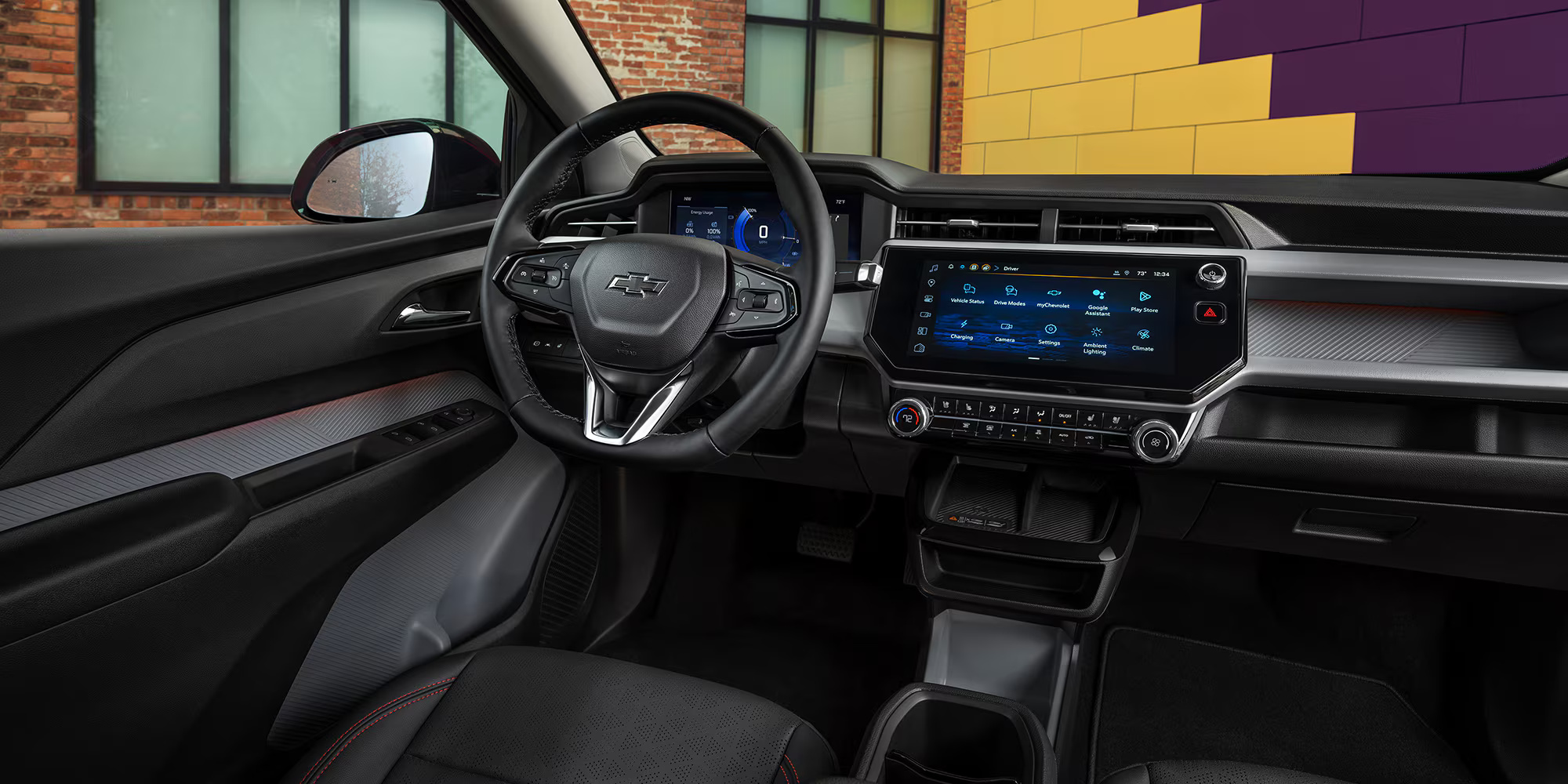
The 2027 model sticks with a heavily reworked version of the BEV2 platform used by the previous Bolt. That choice keeps costs in check, but it also means the new Bolt will look and feel familiar. Spy photos suggest bodywork closer to the EUV version, with a slightly taller, chunkier profile compared to the original hatchback.
Bolts Batteries, Motors, and Charging Overhaul
The Bolt will switch to lithium-iron-phosphate chemistry for '27. LFP cells don’t usually provide the same range as nickel-manganese-cobalt packs, but Chevy is targeting at least 300 miles here, which is a huge leap from the EUV’s 247-mile figure.Charging also gets a much-needed bump. The last Bolt topped out at 55 kW, which put it well behind rivals. The new model will deliver significantly faster rates. On top of that, Chevy is fitting every Bolt with the NACS charging port, which allows you direct access to Tesla’s Supercharger network.
As for performance, the Bolt will likely stay close to the outgoing car’s numbers—about 200 horsepower and 266 pound-feet of torque, with a single-motor, front-wheel-drive setup.
2027 Bolt Production and Release
General Motors says production will start before the end of this year, though sales won’t begin immediately. Expect the 2027 Bolt to reach showrooms around mid-2026, badged as a 2027 model year vehicle. Manufacturing will happen at Fairfax Assembly in Kansas City, Kansas.
Are You Ready for the 2027 Chevy Bolt?
The Bolt's second act looks to build on that formula with a bigger battery, faster charging, and access to Tesla’s network, all without abandoning its budget-friendly slot in Chevy’s lineup. With no other automaker filling the space it left behind, it has a real shot at picking up right where it left off. Contact Banner Chevrolet for more info!
