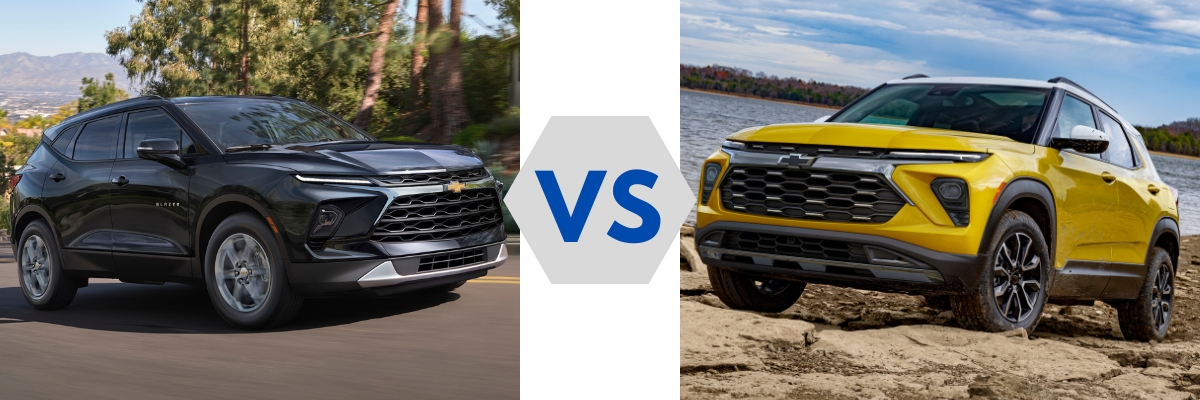

2026 Chevy Blazer vs 2026 Ford Explorer

If you're shopping for a midsize SUV, the Chevy Blazer and Ford Explorer are both great options to consider. The Blazer stands out with sporty styling, available V6 power, and a lower price, while the Explorer offers more trims, including a new off-road-focused model. Find out how they compare in this midsize SUV buying guide to help you decide which model best suits your needs.
Key Takeaways

- The Blazer's trims are mostly lower-priced than the Explorer's.
- Ford adds the off-road-ready Tremor trim to the Explorer's lineup.
- Every Blazer includes standard wireless smartphone mirroring.
What Changed in the Blazer and Explorer?
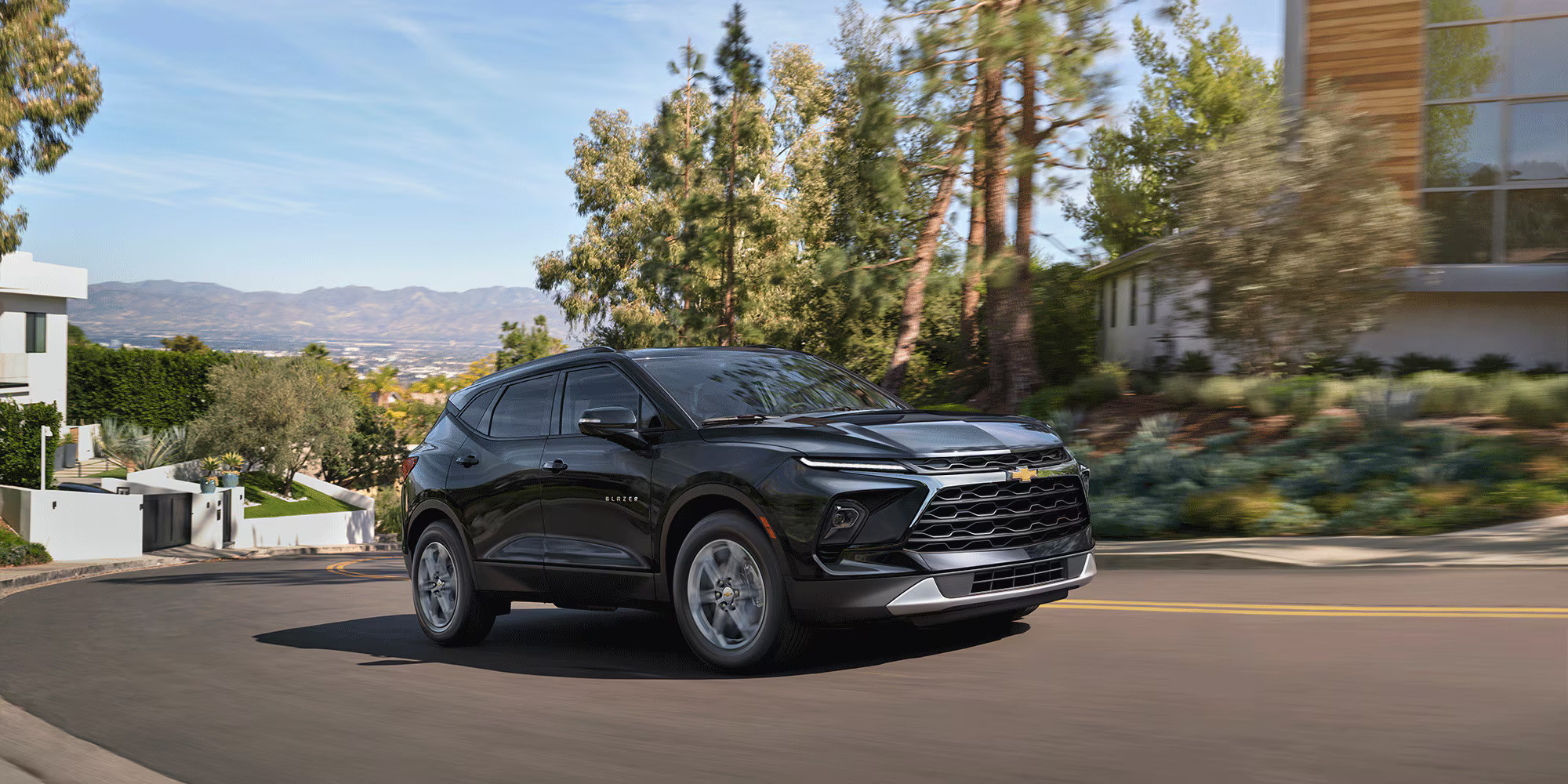
Chevy trims the '26 lineup by eliminating the Blazer Premier, making the RS the only model available with a V6. The 2LT adds standard blind-zone alerts and rear parking sensors. As of July 2026, Blazer pricing is:
- 2LT: $36,295
- 3LT: $41,495
- RS: $45,595
This year, the Explorer debuts the all-new off-road Tremor. It features a factory suspension lift, heavy-duty steel skid plates, a rear Torsen limited-slip differential, and 18-inch wheels wrapped in all-terrain tires. Revised front and rear bumpers improve approach and departure angles, while easy-to-clean ActiveX upholstery helps the cabin stand up to muddy gear and outdoor adventures.
The Explorer's entry price is slightly higher than the Blazer's and covers a wider range of trims:
- Active:Active: $40,260 (Standard or with 100A Package)
- Active with 200A Package: $42,380
- ST-Line: $46,950
- Tremor: $50,260
- Platinum: $52,760
- ST: $56,700
Blazer vs. Explorer Power and Performance from Under the Hood

The Blazer features a standard 228-hp turbocharged four-cylinder engine; it mates with a nine-speed automatic transmission. Buyers looking for greater performance should consider the RS, which swaps in a 308-hp V6. Choosing the V6 also increases towing capacity to 4,500 pounds. Fuel economy reaches an estimated 22 mpg city and 29 highway with the turbo-four, while the all-wheel-drive V6 is rated at about 19 mpg city and 26 highway with front-wheel drive and 18 mpg city and 25 mpg highway with all-wheel drive.
The Explorer uses a 300-hp 2.3-liter EcoBoost four-cylinder in most trims, paired with a 10-speed automatic and either rear- or all-wheel drive. The Tremor, Platinum, and ST all upgrade to a 400-hp twin-turbocharged V6, giving buyers a significant boost in performance. It tows up to 5,000 pounds, but doesn't do as well in mileage--rear-wheel drive models with the turbo four-cylinder are the most fuel-efficient, earning 20 mpg city and 29 highway (adding all-wheel drive knocks 2 mpg off the highway rating). The twin-turbo V6 tops out at 18 mpg city and 25 highway regardless of drivetrain.
| 2026 Chevy Blazer | 2026 Ford Explorer |
|---|---|
| 2.0L turbo four-cylinder, available 3.6L V6 | 2.3-liter EcoBoost; available twin-turbocharged V6 |
| 9-speed automatic | 10-speed automatic |
| FWD standard; AWD available | RWD standard; AWD or 4WD available |
What Are the Tech Features in the Blazer vs. Explorer?
A 10.2-inch touchscreen comes standard in every Blazer, adding wireless Apple CarPlay and Android Auto compatibility. Depending on trim level, drivers also get either a 4.2-inch or 8.0-inch digital instrument display. Available upgrades include wireless phone charging and a premium Bose audio system.
Ford's Digital Experience is displayed on the Explorer's 13.2-inch center touchscreen. The cabin also includes eight USB ports spread across all three rows, making it easy for passengers to keep their devices charged. Upper trims can be equipped with a premium Bang & Olufsen sound system for better audio quality.
Which Model Is Your Best Bet?
The 2026 Chevy Blazer is a wonderful choice for shoppers who want a sporty SUV without spending as much as they would on an Explorer. If you're looking for a midsize SUV that balances performance, comfort, and value, the Blazer is worth a closer look. Contact Banner Chevrolet today for a test drive!